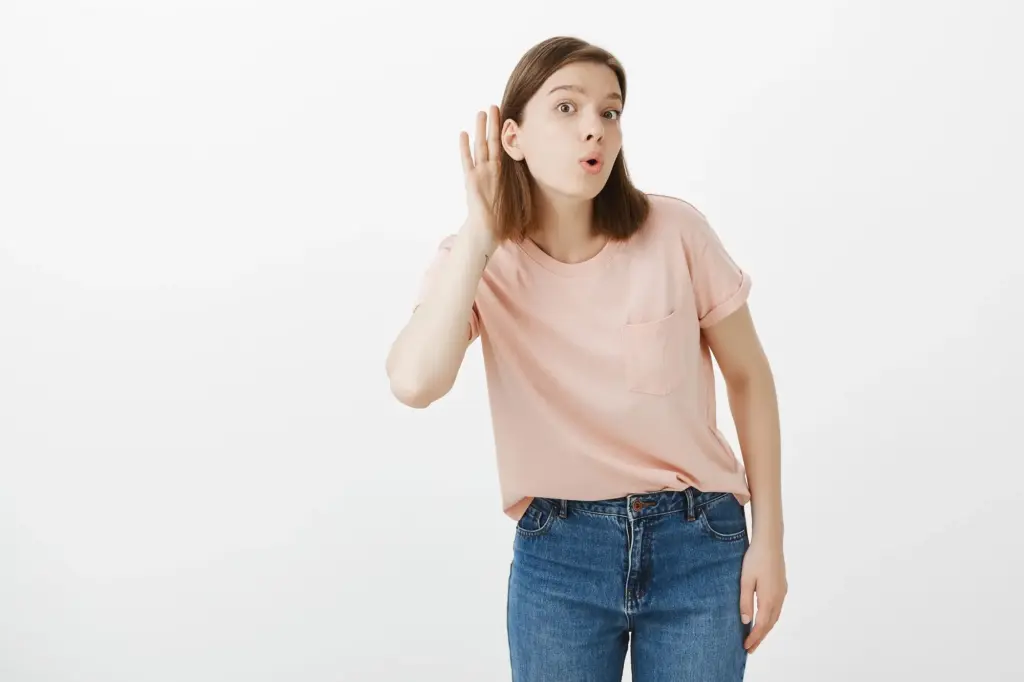
Win the Room Before You Speak

Before a single word lands, bodies speak. Today we dive into Nonverbal Communication Micro-Practices for Better First Impressions, translating science and street-tested habits into small, repeatable moves. You will learn to breathe, stand, look, and gesture in ways that quietly invite trust, making those pivotal first ten seconds kinder, clearer, and far more memorable. Share your experiments, questions, and wins with us after you try them.

Grounded Posture and Breath That Signal Ease

People decide safety and status in a blink. Grounded stance and slow, even breathing broadcast steadiness without a speech. Use tiny resets before entering a room, aligning feet, softening knees, lifting crown, and exhaling longer than you inhale. These seconds regulate your nervous system, steady micro-movements, and tell others you’re present, not rushed. Report what felt different the next time you stepped through a doorway.

Eyes That Welcome Without Staring

Human eyes crave acknowledgment, not interrogation. Gentle, rhythmic eye contact communicates availability and respect, especially during openings. Use patterns that balance looking and releasing, letting blinks soften intensity. When you calibrate to the other person’s comfort range, warmth rises and defensiveness falls. Experiment today and share what timing felt most natural in real conversations.

Zygomatic Cue versus Polite Grin

Engage the zygomatic muscles that raise cheeks and create faint crow’s-feet, rather than stretching lips horizontally. People read lip-only smiles as compliance or concealment. Cheek-led activation, even tiny, communicates genuine friendliness. Practice in a mirror and compare how each version influences your own breathing pattern.

Cheekbones, Eyes, and the One-Breath Smile

Let the smile rise during one inhale and settle on the exhale, allowing eyes to narrow slightly with warmth. This cadence prevents stuck expressions and keeps your face responsive. The timed rise-and-fall reassures others that what they see matches how you feel inside.

Neutral Recovery After Smiling

Return to relaxed neutral rather than freezing in cheerfulness. A soft, resting face with released jaw communicates poise and presence between bursts of expression. This recovery gives the other person room to contribute, avoiding the pressure of sustained, salesy brightness that erodes trust.

Hands, Gestures, and What You Do With Them While Waiting

Idle hands leak nerves or signal openness. Small, practical choices guide perceptions before you speak. Keep hands visible, relaxed, and congruent with your words-to-come, avoiding hidden pockets, clenched fists, or restless objects. Purposeful, gentle gestures anchor attention while projecting credibility. Try these cues and report which felt most natural in your world.

01

Show the Palms, Anchor the Nerves

When greeting, let palms angle upward slightly at waist height before settling at rest. Humans unconsciously associate visible palms with safety and honesty. This micro-cue diminishes perceived threat, cooling skepticism. Combine with slow exhale and open elbows to prevent rigid military vibes while remaining clear.

02

Cup, Not Point

Replace pointing with a gentle cupped hand when indicating seats or directions. Pointing can feel accusatory or parental; a curved palm invites collaboration. The shape is tiny but powerful, lowering defensiveness and turning choices into shared agency, especially during first tours or onboarding conversations.

03

Micro-Objects and Fidget Channeling

If an object must stay in your hand, choose one silent item and keep it below the navel, still. Redirect restless energy into a slow toe-press or breath counting. Channeling stabilizes expression and voice, protecting credibility while your body learns steadier baselines.

Paraverbal Signals: Pace, Pitch, and Pauses That Calm

Even before content lands, your cadence paints meaning. A slightly slower pace, warmer pitch, and breathable pauses convey care without heaviness. They invite listeners into shared timing, easing guarded minds. Use these micro-practices when saying hello, offering names, or answering opening questions to frame credibility and kindness together.

Space, Angle, and Approach Routes People Prefer

How you enter another’s space announces intent. Slightly angled approaches, respectful distances, and clear exit lines tell nervous systems there is choice, not pressure. These quiet signals matter in hallways, lobbies, video frames, and shop floors. Start practicing today and note how greetings feel easier, lighter, and safer.

Forty-Five Degrees Beats Head-On

Approach from a gentle angle instead of marching straight ahead. This keeps faces within peripheral vision longer, reducing threat reflexes. When near, pivot open to invite alignment. Angled arrivals translate as considerate, giving everyone a moment to prepare their smile, stance, and words.

Personal Space Rings and Cultural Edges

Notice the immediate, personal, and social distances favored in your context, then test wider by default. Ask yourself who sets the norm in this environment and adapt respectfully. When in doubt, let them close the gap first. Write us about differences you observed across teams.
Pexizentotunozerapiratavorino
Privacy Overview

This website uses cookies so that we can provide you with the best user experience possible. Cookie information is stored in your browser and performs functions such as recognising you when you return to our website and helping our team to understand which sections of the website you find most interesting and useful.